
Stepping into Hoi An Ancient Town feels less like arriving at a destination and more like slipping through a crack in time. As the morning mist clings to the Thu Bon River in 2026, the yellow-washed walls of centuries-old merchant houses glow with a warmth that no modern filter can replicate. This UNESCO World Heritage site, nestled on the central coast of Vietnam, remains the country’s most atmospheric and photogenic treasure. It is a living museum where history isn’t roped off behind velvet barriers but spills onto the streets through the aroma of Cao Lau, the rhythm of looms weaving silk, and the gentle glow of thousands of silk lanterns.
For travelers planning a visit in 2026, Hoi An offers a rare alchemy: it is deeply authentic yet incredibly accessible, historically profound yet vibrantly alive. This comprehensive guide covers everything you need to know—from its storied past and architectural marvels to the absolute best culinary experiences, hidden gems, and practical logistics for navigating the “City of Lanterns” this year.
A Port Through Time: The History That Built Hoi An
To understand Hoi An is to understand its geography. From the 15th to the 19th century, known then as Faifo, it was the busiest trading port in Southeast Asia. Its strategic location on the Thu Bon River estuary allowed ocean-going vessels to dock deep inland. This brought a cosmopolitan influx: Chinese merchants from Fujian and Guangdong, Japanese traders from the Red Seal ships, Portuguese, Dutch, and French sailors, and Indian and Arab traders.
This “golden age” ended when the river silted up in the late 19th century, shifting trade to Da Nang. Ironically, this economic decline preserved Hoi An. While other Vietnamese cities modernized or were ravaged by war, Hoi An slept, frozen in time. It escaped the heavy bombing that destroyed Hue and the rapid concrete sprawl of Hanoi and Ho Chi Minh City. In 1999, UNESCO recognized this accidental preservation, inscribing the Ancient Town as a World Heritage Site for its “exceptionally well-preserved example of a Southeast Asian trading port.”
Today, in 2026, the town balances tourism with preservation. The pedestrian-only core remains car-free, the architecture is strictly regulated, and the intangible heritage—festivals, crafts, cuisine—is actively practiced by locals whose families have lived here for generations.
Architectural Symphony: Where East Meets West
The defining feature of Hoi An is its “tube houses”—narrow, deep, two-story structures designed to maximize street frontage while minimizing tax (historically levied on width). But within this uniform template lies a dazzling fusion of styles.
Có thể bạn quan tâm: Mua Bán Nhà Đất Phú Yên 2026: Báo Cáo Thị Trường Chi Tiết, Xu Hướng Đầu Tư & Hướng Dẫn Pháp Lý Tránh Rủi Ro
1. The Japanese Covered Bridge (Chua Cau)
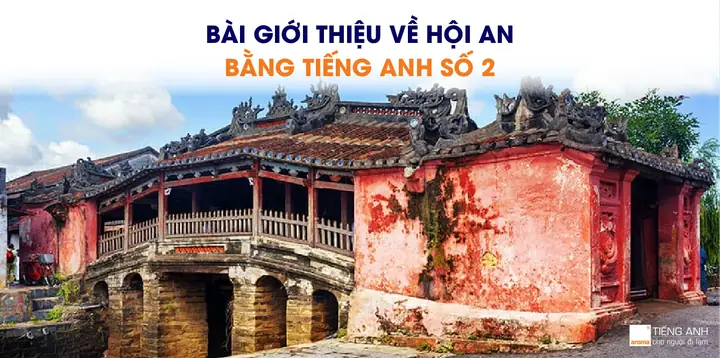
The undisputed icon of Hoi An. Built in the early 1600s by the Japanese community to link their quarter with the Chinese quarter across a small stream, it is a masterpiece of engineering and symbolism. The bridge houses a small temple dedicated to Tran Vo Bac De, the Taoist god of weather, believed to control the monsters that cause earthquakes. Look closely at the entrances: one side is guarded by a pair of monkeys, the other by dogs—representing the years the construction started and finished (or perhaps the zodiac signs of the builders). In 2026, the bridge undergoes periodic maintenance; check local notices for brief closures, though it remains the #1 photo spot at sunrise.
2. Assembly Halls (Hoi Quan)
These served as community centers and temples for the Chinese congregations.
Fujian Assembly Hall (Phuc Kien): The grandest, dedicated to Thien Hau (Goddess of the Sea). Its courtyard features a stunning mosaic fountain and intricate incense coils hanging from the ceiling—massive spirals that burn for weeks.
Cantonese Assembly Hall (Quang Trieu): Famous for its opulent dragon statues and detailed wood carvings depicting scenes from Chinese operas.
Hainan Assembly Hall (Hai Nam): More somber, dedicated to 108 Hainanese merchants unjustly executed; a poignant reminder of the perils of maritime trade.
3. Ancient Houses (Nha Cu)
Tan Ky House: The most visited, showcasing a perfect blend of Vietnamese, Chinese, and Japanese architecture. Note the “eyes” on the roof beams (to ward off evil) and the pulley system used to haul goods to the upper floor during floods.
Phung Hung House: A massive, cathedral-like structure built entirely of precious ironwood, featuring 80 columns. It survived the historic floods of 1964 (water marks are visible on the walls).
Quan Thang House: Less touristy, offering a more intimate look at the merchant lifestyle with exquisite mother-of-pearl inlay furniture.
4. The Color Palette: “Hoi An Yellow”
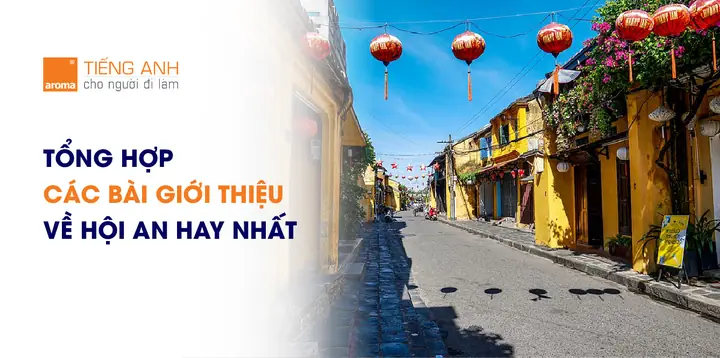
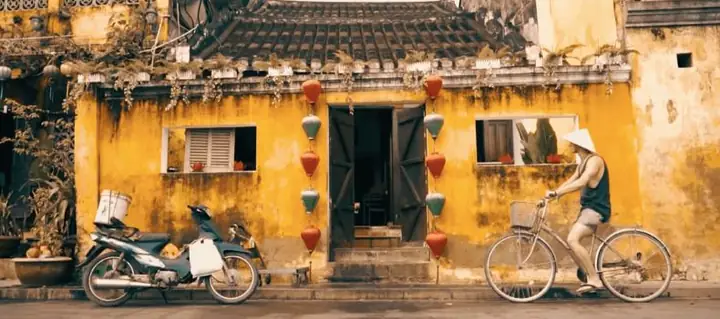
You cannot talk about Hoi An architecture without the color. The distinctive ochre-yellow wash—made traditionally from molasses, straw, and soil—serves a purpose: it reflects heat, resists mold in the humid climate, and hides dirt. In 2026, strict heritage codes ensure new paint jobs match this exact historical hue, maintaining the town’s visual cohesion.
The Soul of the Town: Culture, Crafts, and the Lantern Legend
Hoi An is not a theme park; it is a functioning town. The culture here is tactile.
The Lantern Tradition
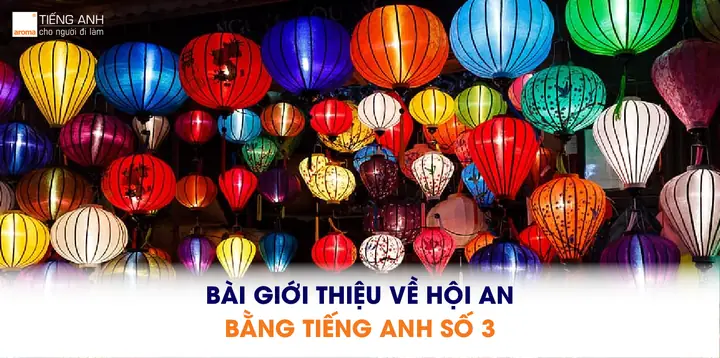
Legend says the lanterns were introduced by Chinese settlers missing their homeland. They hung them to guide spirits and bring luck. By the 1990s, the tradition was fading. A local initiative revived it, and now the Full Moon Festival (Lunar Calendar 14th day) transforms the town. Electric lights are switched off in the Ancient Town; only lanterns glow. Locals release flower lanterns (hoa deng) onto the river with wishes. In 2026, the festival draws larger crowds than ever. For a quieter experience, visit the lantern-making workshops (like Lantern Making Class with Mr. Lanh or Hoi An Handicraft Workshop) at 9:00 AM or 3:00 PM to craft your own collapsible silk lantern—a perfect, lightweight souvenir.
Traditional Crafts
Silk Weaving: Visit Hoi An Silk Village or small looms in the back alleys. You can watch the process from silkworm to brocade.
Wood Carving: Kim Bong Carpentry Village (Cam Kim Island, a short boat ride away) has supplied woodwork for the Imperial City in Hue and the Ancient Town houses for centuries.
Pottery: Thanh Ha Pottery Village (3km west) uses traditional kick-wheels and wood-fired kilns.
Tailoring: The “24-Hour Suit” Phenomenon
Hoi An has hundreds of tailors. In 2026, the industry has matured. While “24-hour” suits exist, quality correlates with time and price. Reputable shops like A Dong Silk, Bebe Tailor, or Yaly Couture (higher end) require 2-3 days for a proper fitting. Bring reference photos, choose fabric carefully (Italian wool vs. local blends), and always insist on a basted fitting (rough stitch) before final assembly.
Có thể bạn quan tâm: Cách Nấu Xôi Trắng Cốt Dừa Ngon, Dẻo, Béo Ngậy Chuẩn Vị Huế Năm 2026
A Gastronomic Capital: Eating Your Way Through Hoi An
Anthony Bourdain famously put Hoi An on the global food map. In 2026, the scene is a dynamic mix of legendary street stalls, generational family restaurants, and innovative modern Vietnamese cuisine.
The “Holy Trinity” of Hoi An Dishes (Must-Eats)
- Cao Lau: The signature dish. Thick, chewy noodles (made with ash from Cham Island trees and water from the ancient Ba Le Well), slices of char siu pork, fresh herbs, bean sprouts, and crispy croutons. No broth.
- 2026 Top Picks: Cao Lau Ba Le (near the well, legendary), Cao Lau Thanh (local favorite, less touristy), Morning Glory Restaurant (upscale, consistent).
- Mi Quang (Quang Noodles): Turmeric-yellow noodles in a small amount of rich broth (shrimp/pork), topped with peanuts, sesame rice crackers, herbs, and quail eggs.
- 2026 Top Picks: Mi Quang Ong Hai (alley off Tran Phu), Mi Quang Ba Mua (market stall legend).
- Com Ga (Chicken Rice): Hoi An style uses turmeric-infused rice, shredded poached chicken, pickled veggies, and a unique chili sauce.
- 2026 Top Picks: Com Ga Ba Buoi (the original, Huyen Tran Cong Chua St), Com Ga Xi (newer, very popular).
Street Food & Market Culture
Hoi An Central Market (Cho Hoi An): Ground floor = fresh produce/meat/fish (best 6-8 AM). Upper floor = food court. Try Banh Mi Phuong (made famous by Bourdain, still great but long lines; try Madam Khanh – The Banh Mi Queen nearby for shorter waits and arguably better pate) and White Rose Dumplings (Banh Vac/Banh Bao) at White Rose Restaurant (family recipe, translucent shrimp dumplings).
Night Market (Nguyen Hoang St): Comes alive after 6 PM. Great for Banh Xeo (crispy pancakes), grilled corn, sweet soup (Che), and souvenir shopping.
Fine Dining & Modern Vibes (2026 Trends)
The Field Restaurant: Farm-to-table in a stunning bamboo structure amidst rice paddies (book weeks ahead).
Nu Eatery: Modern Vietnamese tasting menus in a restored French colonial villa.
Faifo Coffee: The original “coconut coffee” spot (second floor view of the Bridge).
Cocobana / The Fisherman Vegan: Leading the plant-based wave in town.
Beyond the Ancient Town: Day Trips & Hidden Gems (2026 Updates)
1. My Son Sanctuary (40km / 1hr drive)
The Champa Kingdom’s spiritual capital (4th-14th Century). Hindu temple towers in a jungle valley. 2026 Update: The site has improved electric shuttle buses from the ticket gate to the ruins (saving a 2km walk in heat). New AR (Augmented Reality) guides available via the “My Son Sanctuary” app show 3D reconstructions of the destroyed towers. Go early (7:00 AM) to beat tour buses and heat.
2. Cham Islands (Cu Lao Cham) – Biosphere Reserve
30 mins by speedboat. 2026 Highlight: Coral reef restoration projects are showing success. Snorkeling at Bai Chong or Bai Bim is better than 5 years ago. Crucial: Book eco-certified operators (like Cham Islands Travel or Hoi An Express) who limit group sizes and ban single-use plastic on the islands. Stay overnight in a homestay for bioluminescent plankton spotting (seasonal, best Apr-Aug).
Có thể bạn quan tâm: Hướng Dẫn Chơi Game Tru Tiên 3d Chi Tiết Nhất 2026: Từ Người Mới Đến Cao Thủ
3. An Bang Beach & Cua Dai Beach
An Bang: The “cool” strip. Beach clubs (La Plage, Soul Kitchen, The Deckhouse) offer day beds, pools, and great food. In 2026, erosion is managed better with geotubes, but the beach width varies by season.
Cua Dai: Quieter, wider, but stronger currents. Good for long walks.
4. Bay Mau Coconut Forest (Cam Thanh)
The “Mini Mekong.” Basket boat (thung chai) performances (spinning, net throwing) are touristy but fun. 2026 Eco-Twist: Opt for the “Eco Tour” kayaking option (paddle yourself through the mangroves silently) instead of the motorized basket boat circus. Supports local families directly.
5. Tra Que Vegetable Village
Cycle 3km north. Farmers grow organic herbs/vegetables using seaweed fertilizer. Join a farming tour (raking, sowing, watering) followed by a cooking class. Tra Que Water Wheel restaurant offers a great view over the fields.
6. The “Hidden” Hoi An: Cycling the Rice Paddies
Rent a bicycle (or e-bike in 2026—widely available now for ~50k VND/day) and head North (towards An My/Tra Que) or South (towards Cam Thanh). The raised dyke roads between emerald paddies, framed by coconut palms and buffalo, offer the “real” Vietnam postcard shot without the crowds. Sunset here is magical.
Practical Logistics for 2026
Entry Tickets & The “Old Town” Fee
The Rule: To enter the core heritage zone (access to Ancient Houses, Assembly Halls, Museums, Japanese Bridge, Cultural Shows), you need an Old Town Ticket (120,000 VND ~ $4.80 USD).
What it covers: Entry to 5 chosen sites from a list of ~20 (valid 24hrs).
Critical Nuance: You DO NOT need a ticket to walk the streets, eat at restaurants, shop, visit the Night Market, or sit by the river outside the designated ticket-check points. Ticket booths are at main entry points (e.g., near Japanese Bridge, Market, An Hoi Bridge).
2026 Tip: Buy tickets digitally via the “Hoi An Ancient Town” official app or website to skip queues. Keep the QR code on your phone.
Getting There (2026 Infrastructure)
By Air: Da Nang International Airport (DAD) is the gateway (30km / 45-60 mins).
New for 2026: The Da Nang – Hoi An Expressway (upgraded coastal road) significantly cuts travel time. Grab/Be (ride apps) cost ~300k-400k VND. Public Bus Route 1 (Yellow Bus) runs every 20 mins from Da Nang center to Hoi An Market (30k VND, 70 mins)—budget friendly.
By Train: Da Nang Station. Then taxi/bus to Hoi An.
New High-Speed Rail? The North-South High-Speed Railway is under construction but not operational for Hoi An in 2026. Ignore rumors of a “Hoi An Station” opening this year.
Getting Around Hoi An
Walk: The Ancient Town is pedestrian-only (motorbikes banned 7 AM – 5:30 PM & 7 PM – 11 PM approx—check 2026 signs).
Bicycle/E-Bike: Best way. Most homestays/hotels provide free bikes. E-bikes (electric assist) are booming in 2026 for the heat/hills.
Grab/Be/Gojek: Reliable for airport runs or late nights. Motorbike taxis (Xe Om) are cheap but negotiate price before riding.
Boat: River taxis ply the Thu Bon. Nice for sunset returns from An Hoi islet (50k-100k VND).
Có thể bạn quan tâm: Bún Chả Cá Bà Lữ Hùng Vương Đà Nẵng: Hương Vị Truyền Thống Giữa Sài Gòn Và Biển Đông Năm 2026
Accommodation Zones: Where to Stay in 2026
1. Inside Ancient Town (Trung Tâm): Atmosphere max. Wake up to silence (no bikes), step out into history. Cons: Pricey, no motorbike access to door (luggage carry), nightlife noise (music till 11 PM), limited pool options. Boutique picks: La Siesta, Silk Sense, Anantara (luxury).
2. An Hoi Islet (Across the Bridge): Quieter nights, great river views of Ancient Town, easy walk to Night Market. Mid-range gems: Hoi An Chic, Little Riverside.
3. An Bang / Cua Dai Beach (3-5km): Resort life, pools, beach clubs, sunset cocktails. Cons: Need transport (bike/Grab) to Ancient Town (15-20 mins). Top 2026 picks: Four Seasons The Nam Hai (ultra-lux), Alma Resort, Cocobana Beach Stay.
4. Rice Paddy / Countryside (Tra Que, Cam Thanh): Immersive, peaceful, homestays/villas. Cons: Furthest from town (20-30 mins bike). Best for: Families, long stays, wellness retreats.
Money & Connectivity
Currency: VND (Cash is King in markets/small eateries). Cards accepted in hotels/upscale restaurants.
SIM/eSIM: Buy eSIM online (Airalo, Nomad) before arrival or physical SIM at airport (Viettel/Mobifone/Vinaphone ~$5-10 for 10-20GB/30 days).
Apps: Grab/Be (transport/food), Google Maps (works well), Google Translate (camera mode for menus), Hoi An Ancient Town App (tickets/audio guide).
Weather & Best Time to Visit 2026
Peak Season (Dry): Feb – Aug. Hot (30-38°C), low humidity (Feb-Apr), very hot (May-Aug). Best for beach + town.
Shoulder: Sep – Jan. “Green Season.” Mix of sun and rain. Oct – Nov = Flood Season. The Ancient Town floods picturesquely (ankle/knee deep). Shops raise goods on tables; tourists wade/ride cyclo boats. Photogenic but disruptive. Check forecasts.
Tet (Lunar New Year): Feb 17, 2026 (Year of the Horse). Town shuts down 2-3 days prior. Transport booked solid. Prices 2x-3x. Avoid unless specifically seeking cultural immersion.
Etiquette & Responsible Tourism (2026 Essentials)
Dress Modestly: Shoulders/knees covered for temples/assembly halls. No bikinis in town.
Photos: Ask before photographing people (especially elders/artisans). Don’t block traffic on the Bridge for 10 mins for the “perfect shot.”
Plastic: Hoi An aims for “Zero Plastic.” Bring a reusable water bottle (refill stations everywhere), coffee cup, and tote bag. Refuse straws.
Noise: Residential areas surround the heritage zone. Keep voices down after 10 PM.
Bargaining: Expected in markets/night market (start 50-60% of asking). Fixed price in malls/convenience stores/restaurants. Smile while bargaining—it’s a game, not a war.
Sample 3-Day Itinerary for 2026
Day 1: The Heritage Core
07:00: Sunrise at Japanese Bridge (fewest crowds).
07:30: Breakfast Banh Mi at Madam Khanh + Vietnamese Iced Coffee.
08:30 – 12:00: Walking Tour (Self-guided via App or hire licensed guide ~$25-30). Hit: Tan Ky House, Fujian Hall, Quan Cong Temple, Museum of Trade Ceramics, Phung Hung House. Use your 5 ticket slots.
12:30: Lunch: Cao Lau at Cao Lau Ba Le + White Rose dumplings.
14:00: Lantern Making Workshop (pre-book).
16:00: Coffee break at Faifo Coffee (coconut coffee, rooftop view).
17:30: Sunset boat on Thu Bon River (release flower lantern).
19:00: Dinner at Nu Eatery or Morning Glory.
20:30: Night Market stroll (An Hoi side). Grab Che (sweet soup) for dessert.
Day 2: Culture, Nature & Beach
07:00: My Son Sanctuary (Private car/Join tour). Back by 11:30.
12:00: Mi Quang lunch near market.
13:30: Cycle to Tra Que Village. Farming experience + Cooking Class (make your dinner).
17:00: Relax at An Bang Beach (La Plage / Soul Kitchen). Swim, sunset drink.
19:30: Seafood Dinner at Quan Hanh (local style, on the beach) or The Field Restaurant (book early).
Day 3: Slow Living & Hidden Alleys
08:00: Leisurely Brunch at Banana Leaf Hoi An or Rosie’s Café.
10:00: Explore “Hidden Alleys” (walk parallel to Tran Phu: Nguyen Thai Hoc, Phan Chau Trinh, Bach Dang). Visit Reaching Out Tea House (silent tea run by hearing-impaired staff—profound experience).
12:00: Tailor pick-up / Last-minute shopping (Silk, Ceramics, Paintings).
13:30: Com Ga for final lunch.
15:00: Depart for Da Nang Airport.
Why Hoi An in 2026 Is Different (And Better)
Traveling to Hoi An in 2026 offers distinct advantages over the pre-pandemic peak.
1. Managed Tourism: The ticket system and pedestrian zones are better enforced. The “Disneyland” fear has been mitigated by strict zoning.
2. Digital Integration: The official app, cashless payments (MoMo/ZaloPay widely accepted even at street stalls), and e-bike infrastructure make logistics seamless.
3. Culinary Evolution: The food scene has matured beyond “tourist food.” Young chefs are returning, elevating heritage recipes with modern technique and presentation (e.g., Cao Lau deconstructed, Mi Quang with Wagyu beef).
4. Sustainability Focus: The “Green Hoi An” initiative is visible—waste sorting at homestays, refill stations, plastic-free islands, mangrove replanting tours.
5. Shoulder Season Sweet Spot: With remote work normalizing, the “digital nomad” crowd keeps the town vibrant in traditionally quiet months (Sept, Jan), meaning cafes and services stay open year-round.
Final Thoughts: The Lantern You Carry Home
Hoi An is often criticized for being “too touristy.” But in 2026, that critique misses the point. Hoi An is a tourist town—and has been for 400 years. Its DNA is hospitality, trade, and cultural exchange. The tourists are the modern merchants. The magic happens when you slow down. When you sit on a plastic stool at 6 AM eating Banh Mi while the town wakes up. When you cycle down a dyke at dusk with fireflies rising from the rice. When an elderly tailor measures you without a tape, just her hands and eyes.
You don’t just “see” Hoi An. You absorb it. The lantern you fold in the workshop, the taste of turmeric rice on your fingers, the smell of incense and frying shallots—these become the souvenirs that don’t gather dust. They become part of your story.
Pack light. Bring curiosity. Leave space in your suitcase for silk, spices, and memories. Hoi An in 2026 is waiting, lanterns lit, river flowing, ready to write the next chapter with you.
Quick Reference Card for 2026 Travelers
| Category | Recommendation |
|---|---|
| Must-Eat Dishes | Cao Lau, Mi Quang, Com Ga, Banh Mi, White Rose, Banh Xeo |
| Best Coffee | Faifo Coffee (Coconut), The Coffee House (Local chain, reliable), Rosie’s (Specialty) |
| Best Tailors (Mid-High) | Yaly Couture, A Dong Silk, Bebe Tailor, Thu Thuy |
| Best Sunset Spots | Faifo Coffee Rooftop, The Deckhouse (An Bang), Victoria Hotel Rooftop, River Boat |
| Best Markets | Central Market (Food/Produce), Night Market (Souvenirs/Street Food) |
| Essential Apps | Grab/Be, Google Maps, Google Translate, Hoi An Ancient Town (Official), XE Currency |
| Packing Essentials | Reusable Bottle/Cup/Straw, Light Rain Jacket (Sep-Jan), Modest Clothing, Good Walking Sandals, Mosquito Repellent (Deet/Picaridin), Sunscreen (Reef Safe) |
| Emergency | Hoi An Hospital (Central), Family Medical Practice Da Nang (International std – 30 mins), Police: 113, Fire: 114, Ambulance: 115 |
Safe travels, and may your lanterns always find the wind.